 Uelaris
Uelaris
Uelaris
Understanding Cellular Protection and Longevity
Published: March 2026 | Reading Time: 8 minutes
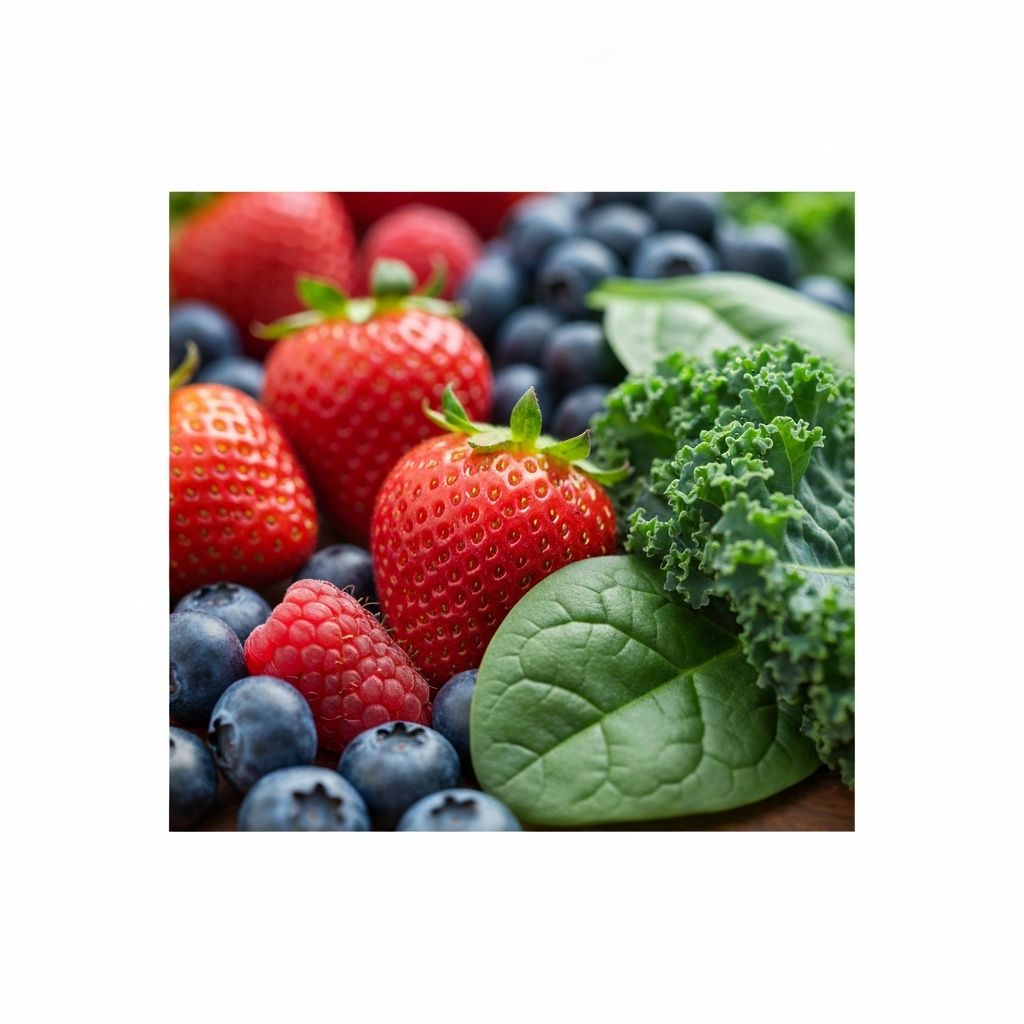
Inside your cells, every moment, molecules are oxidizing—losing electrons and becoming unstable free radicals. This isn't malfunction; it's metabolism. The problem: unchecked free radicals damage cellular structures, proteins, and DNA. Antioxidants are your cells' defense squad, neutralizing free radicals before they cause cumulative damage.
Antioxidants are molecules that neutralize free radicals by donating electrons, stabilizing them before they damage cellular structures. Unlike free radicals, antioxidants remain stable after electron transfer. They're found throughout plant foods as secondary metabolites—compounds plants produce to protect themselves from oxidative stress.
Your body maintains antioxidant-oxidant balance naturally. But modern stressors—pollution, UV exposure, intensive exercise, poor sleep, chronic stress, inflammatory diet—can overwhelm endogenous antioxidant defenses. The result: oxidative stress, characterized by excessive free radical accumulation and cellular damage.
Chronic oxidative stress accelerates cellular aging, contributes to inflammation, and underlies many chronic disease pathways including cardiovascular disease, neurodegeneration, and metabolic dysfunction.
populations consuming high-antioxidant diets consistently demonstrate better healthspan (years of healthy life) and longevity. Mediterranean populations consuming abundant colorful vegetables, fruits, nuts, and olive oil show dramatically lower cardiovascular disease rates. Japanese populations consuming antioxidant-rich green tea and plant-based foods show lower cancer rates.
Important Distinction: This doesn't mean antioxidant supplements magically extend life. Extracted antioxidants lack the complex matrix of compounds found in whole foods. Whole food antioxidants work synergistically—polyphenols enhance each other's effects; they work with fiber, micronutrients, and phytonutrients in ways isolated supplements cannot replicate.
Intense exercise generates free radicals. Endurance athletes and heavy lifters experience substantial oxidative stress during training. This seems problematic until you understand the adaptation response: exercise-induced oxidative stress triggers upregulation of endogenous antioxidant enzymes like SOD (superoxide dismutase) and catalase.
This means antioxidant-rich nutrition supports the body's ability to adapt to training stress. Adequate antioxidants, combined with proper recovery, optimize the adaptation process.
Rather than obsessing over individual antioxidants, aim for antioxidant diversity through colorful, whole food choices:
Certain combinations enhance antioxidant impact. Turmeric (curcumin) absorption increases dramatically with black pepper (piperine). Lycopene from tomatoes is better absorbed with fat (olive oil). Colorful vegetable combinations provide complementary antioxidant classes.
Mistake: Relying on supplements instead of whole foods. Solution: Whole foods provide complex antioxidant matrices supplements cannot replicate.
Mistake: Assuming all antioxidants are beneficial. Reality: Excessive antioxidant supplementation can interfere with beneficial adaptations to exercise.
Mistake: Neglecting non-antioxidant aspects of healthy eating. Solution: Antioxidant foods should be part of overall balanced nutrition, not a substitute for basic nutritional adequacy.
Aim for a variety of colored foods daily: green vegetables, berries, orange produce, legumes, nuts. Include herbs and spices liberally. Prepare foods minimally to preserve heat-sensitive antioxidants like vitamin C. Consume antioxidant-rich foods with other foods to enhance absorption.
Antioxidants represent your cells' chemical defense against oxidative damage. Rather than viewing antioxidants as isolated compounds requiring supplementation, understand them as abundant compounds present in diverse whole foods. An antioxidant-rich diet emphasizing vegetables, fruits, nuts, legumes, and herbs provides the cellular protection underlying longevity and health.
Educational Note: This article is informational only. For personalized nutrition guidance, especially regarding supplementation, consult with healthcare professionals.