 Uelaris
Uelaris
Uelaris
Understanding the Essential Nutrients That Power Male Health
Published: March 2026 | Reading Time: 8 minutes
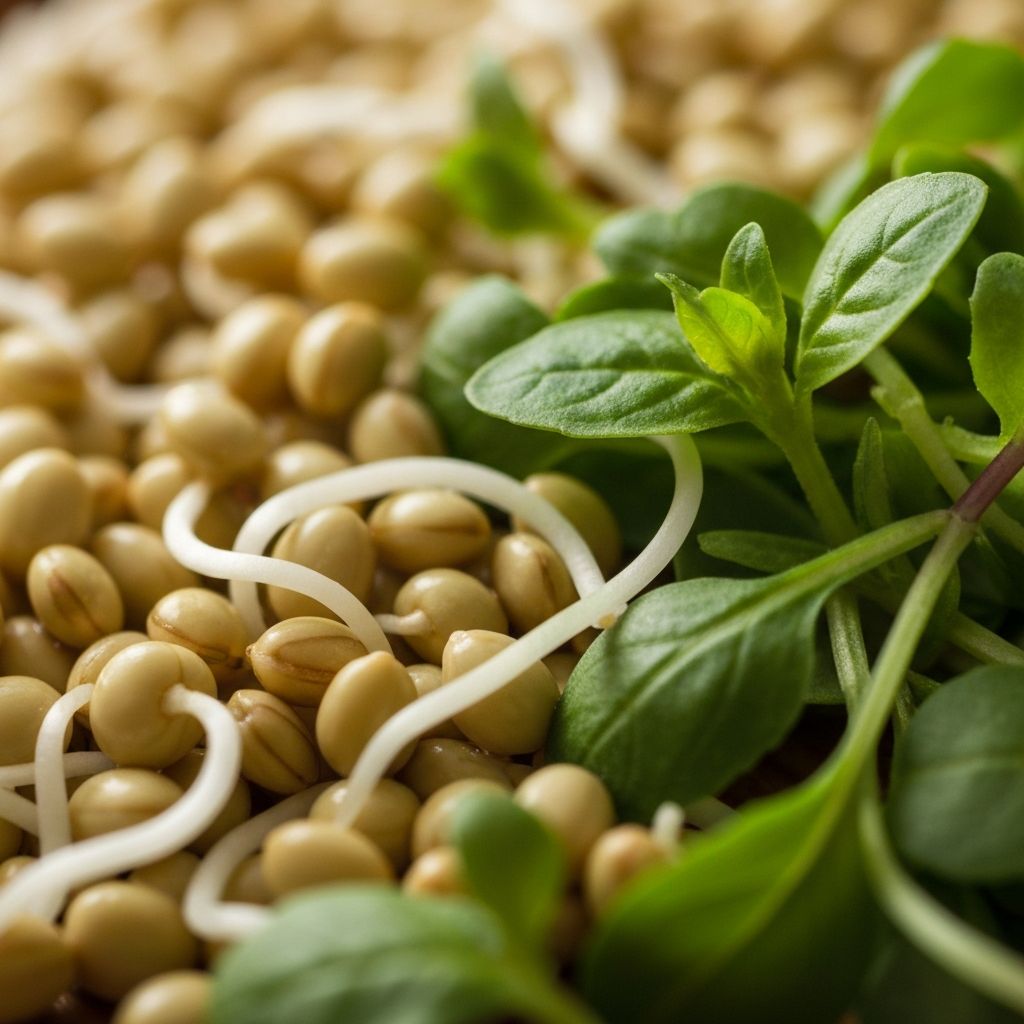
While protein and carbohydrates dominate nutrition discussions, micronutrients—vitamins and minerals consumed in smaller quantities—form the invisible foundation of every cellular process in the male body. From energy production to immune defense, cognitive function to muscular performance, micronutrients orchestrate the biochemistry that keeps us thriving.
Micronutrients are organic compounds (vitamins) and inorganic minerals your body requires in relatively small amounts to function optimally. Unlike macronutrients (proteins, carbohydrates, fats), which provide energy, micronutrients enable the metabolic processes that transform food into fuel and support every physiological system.
Male vitality encompasses physical performance, cognitive sharpness, emotional resilience, and sustained energy. Each depends on micronutrient adequacy:
Energy Production: B vitamins (B1, B2, B3, B5, B6, B12) are coenzymes essential for converting food into ATP, the body's energy currency. Without sufficient B vitamins, mitochondria cannot efficiently generate the fuel needed for daily activities.
Muscular Function: Magnesium regulates muscle contraction and relaxation. Calcium provides the ionic environment for muscle signaling. Potassium maintains electrolyte balance critical for muscular performance. Zinc supports protein synthesis and recovery.
Immune Resilience: Zinc, selenium, and vitamin C coordinate immune cell function. Iron carries oxygen to immune cells. Vitamin D modulates immune responses. Insufficient micronutrients compromise the body's ability to defend against infections.
Cognitive Performance: Choline supports brain structure. B vitamins are cofactors in neurotransmitter synthesis. Iron delivers oxygen to the brain. Omega-3 fats work alongside micronutrients to maintain neuroplasticity.
The discovery of vitamins revolutionized nutrition science. Early explorations revealed that diseases like scurvy (vitamin C deficiency), beriberi (thiamine deficiency), and pellagra (niacin deficiency) weren't caused by lack of food volume but by absence of specific nutrients. This insight revealed that health requires not just calories but specific molecular building blocks.
Modern diets often fall short in key micronutrients despite apparent food abundance. Processing removes nutrients. Refined grains lack the fiber and micronutrients of whole grains. Soil depletion reduces mineral content in produce. For males specifically, deficiencies in vitamin D, magnesium, zinc, and iron are increasingly common.
Micronutrients don't work in isolation. Vitamin D enhances calcium absorption. Vitamin C improves iron bioavailability. Magnesium is required for vitamin D activation. This synergy means a balanced approach to whole foods is superior to isolated supplementation.
Whole foods provide micronutrients in their natural context with co-factors that enhance absorption and utilization. Dark leafy greens provide magnesium, folate, and iron. Fatty fish offer vitamin D and selenium. Nuts and seeds supply zinc and vitamin E. Colorful vegetables provide diverse phytonutrients that support micronutrient function.
A nutrition pattern emphasizing whole grains, legumes, vegetables, fruits, nuts, seeds, and quality proteins naturally delivers the micronutrient density required for vitality.
Rather than obsessing over individual micronutrient targets, focus on nutritional diversity. Different colors indicate different micronutrients. Different food categories provide complementary nutrients. A plate featuring vegetables, whole grains, legumes, and protein sources naturally delivers micronutrient balance.
Micronutrients represent the invisible architecture supporting every aspect of male health and vitality. While they command less attention than proteins or calories, their absence is profoundly felt. Understanding micronutrients empowers you to make food choices that don't just fill the stomach but nourish every cell, optimize every process, and sustain the vitality that defines a thriving life.
Educational Note: This article is informational only. It does not constitute medical advice. For specific health concerns or suspected deficiencies, consult with qualified healthcare professionals.